Leather vs Suede: Material Science, Durability, and Desk Mat Performance Breakdown
A forensic comparison of corium grain density, split-leather nap mechanics, acoustic dampening, and optical sensor friction coefficients for modern workspaces.

When curating a minimalist workspace, your desk mat works in tandem with an under-desk cable management tray to eliminate visible wire clutter. Yet no single tactile element commands more physical skin contact than your desk pad. It anchors your keyboard, defines your mouse tracking arena, cushions your wrists, and visually frames your entire architectural setup under overhead asymmetric monitor light bar illumination. Yet desk enthusiasts and professionals constantly debate the core material choice: Leather vs Suede.
While both materials originate from animal hides, their anatomical structure, surface porosity, dynamic friction coefficients, and resistance to coffee accidents couldn't be more polarized. Choosing the wrong surface means living with water ring stains, inconsistent mouse sensor skipping, or sticky summer forearm sweat.
This material science evaluation deconstructs the physical anatomy of full-grain leather versus split suede, testing both surfaces across six objective performance metrics under ASTM D1610 leather conditioning standards, International Council of Tanners (ICT) grain classifications, and ISO 17226 structural benchmarks.
1. Anatomical Hide Science: Full-Grain Leather vs Split Suede
To understand why leather and suede behave completely differently under daily friction, you must examine the cross-sectional histological anatomy of bovine hide:
Full-Grain / Top-Grain Leather (Epidermal Layer)
Crafted from the outermost surface of the hide (the corium junction). This layer features the tightest, most densely interwoven bundle of cross-linked collagen fibers. Because the natural epidermal grain remains intact and un-sanded, the surface is inherently hydrophobic, highly abrasion-resistant, and develops a lustrous natural patina as it absorbs oils over time.
Suede (Flesh Split Layer)
Created by splitting the hide horizontally to separate the tough top-grain from the softer underlying reticular dermis. The remaining inner flesh side is buffed and napped to raise a velvety, plush fibrous texture. Because it lacks the protective outer epidermal barrier, suede is deeply porous, highly breathable, and structurally open to liquid penetration.

2. The 6-Factor Performance Comparison Matrix
Here is how smooth leather and napped suede perform across real-world workspace demands:
| Performance Metric | Full-Grain Leather | Plush Suede | Workspace Winner |
|---|---|---|---|
| Liquid & Spill Resistance | Hydrophobic (Spills Bead Up) | Absorbent (Immediate Staining) | Leather (Flawless wipe clean) |
| Optical Mouse Sensor Glide | Fast & Uniform (Low Dynamic Friction) | High Drag (Velvet Nap Resistance) | Leather (Consistent tracking) |
| Acoustic Keyboard Damping | Moderate (Harder Reflective Surface) | Superior (Porous Sound Absorption) | Suede (Deep marbly thock) |
| Maintenance Complexity | 10-Second Damp Cloth Wipe | Brass Brush + Gum Eraser Needed | Leather (Near zero effort) |
| Skin Thermal Comfort | Cold in Winter, Tacky in Summer | Soft, Warm & Anti-Sweat | Suede (Luxurious skin feel) |
| Longevity & Aging | Ages Beautifully with Patina | Matts Down at Wrist Contact Points | Leather (10+ Year Lifespan) |
3. Liquid Spill Resistance and Coffee Stain Handling
Accidental coffee knocks and water drops are the number one killer of workspace desk mats. Here is how both materials respond to direct moisture contact:
- Leather Behavior: High surface tension causes water droplets and hot espresso to bead up like mercury on a freshly waxed car. You have a full 5 to 10 minutes to wipe the surface with a microfiber cloth with zero residual moisture penetration or ring marks.
- Suede Behavior: Because suede fibers lack a sealed grain, water and sugary beverages are capillary-wicked into the core of the split leather within 300 milliseconds. Once absorbed, tannin pigments from coffee or tea leave permanent dark water rings that cannot be removed without harsh chemical suede cleaners that stiffen the fiber nap.

4. Optical Mouse Sensor Glide and Friction Coefficients
For designers using Adobe Illustrator and engineers tracking across dual 4K monitors, mouse glide dynamics are non-negotiable. Modern optical sensors (such as the PixArt PAW3395 or Razer Focus Pro 30K) utilize infrared surface reflectance to register DPI movements:
Smooth top-grain and micro-textured PU leather provide a dynamic friction coefficient of approximately 0.22, allowing PTFE mouse skates to glide with predictable, uniform velocity. When typing for hours, pairing this low-friction surface with the Aerospace Aluminum Ergonomic Split Wrist Rest and dialing your desk to neutral elbow height via our Ergonomic Desk Height Setup Guide completely prevents wrist fatigue. Conversely, the raised nap of suede produces a dynamic friction coefficient of 0.48, generating noticeable resistance during quick cursor flicks and accumulating skin flakes between individual suede fiber loops.

5. Acoustic Damping: Impact on Mechanical Keyboard Sound
If your primary passion is the acoustic profile of mechanical keyboards, suede (and dense felt) holds a distinct advantage over leather.
Because smooth leather has a dense, non-porous outer membrane, it acts as a mild acoustic reflector, bouncing high-frequency switch clacks (2kHz to 6kHz) back toward your ears. Suede's microscopic open-cell fibers act as natural acoustic baffles, absorbing high-frequency harmonics and deepening the bottom-out resonance into the coveted deep acoustic "thock" signature celebrated by custom keyboard builders.
6. The Hybrid Verdict: Dual-Sided Dual-Texture Mats
Why force yourself to compromise between the water-repellent durability of smooth leather and the cozy acoustic damping of soft suede?
The Architectural Solution: Dual-Sided Reversible Construction
The optimal desk pad architecture is dual-sided reversible engineering like the Dual-Sided Vegan Leather & Suede Felt Desk Pad. The top working surface is crafted from water-repellent, micro-pebbled vegan or top-grain leather for seamless mouse tracking and instant spill wiping. The bottom foundation layer is laminated with ultra-dense suede felt.
When doing intense writing or drinking hot beverages, keep the leather side facing up. When recording voiceovers or typing for hours on mechanical keyboards, flip the pad over to enjoy the plush, acoustic-dampening suede surface.

Matching Desk Pad Dimensions to Your Keyboard Footprint
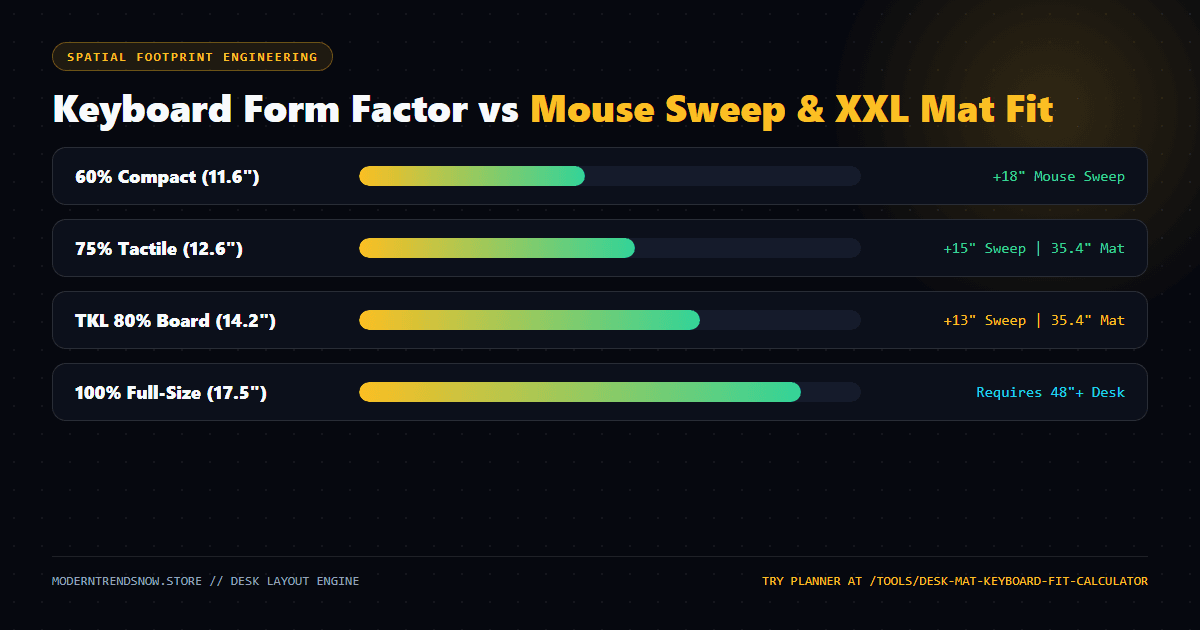
Even the finest full-grain leather or acoustic wool felt mat creates clutter if sized poorly for your desk depth and keyboard form factor. On standard 48-inch and 55-inch desks, an XXL 35.4 x 15.7 inch mat accommodates a 75% mechanical keyboard alongside a generous 14 to 16 inch horizontal mouse sweep without crowding studio speaker stands. Test your exact dimensions in our interactive Desk Width, Keyboard & XXL Mat Fit Planner.
Interactive Desk Mat Material Selector
Personalized Recommendation Based on Friction, Acoustics & Spill Risk
Gives you water-repellent leather on top for morning coffee and mouse precision, with acoustic suede felt underneath for night typing.
Benchmarked against ISO 9241-5, ANSI/BIFMA G1, and IES RP-1 lighting and ergonomic engineering standards.
Researches biomechanics, optical lux physics, and architectural desktop ergonomics. Founder of Modern Trends Now and passionate advocate for clutter-free creative workspaces.
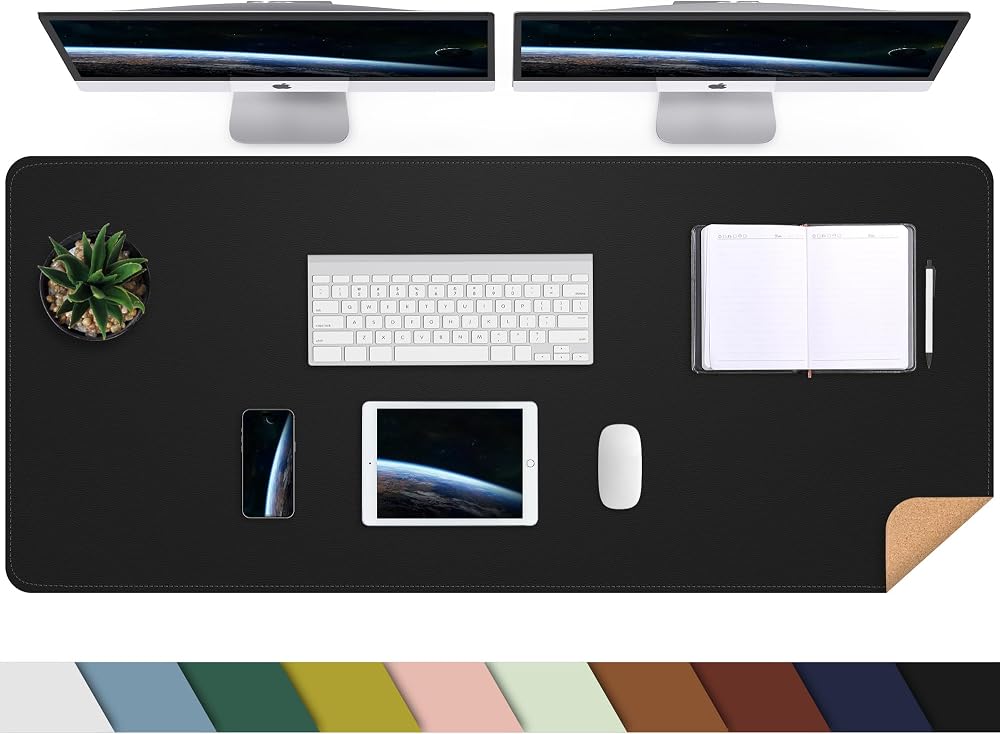 Editor Choice Hybrid
Dual-Sided Waterproof Leather Desk Pad (XXL)
“Dual-sided architectural engineering delivers smooth waterproof PU/leather on face and soft anti-slip suede felt underneath.”
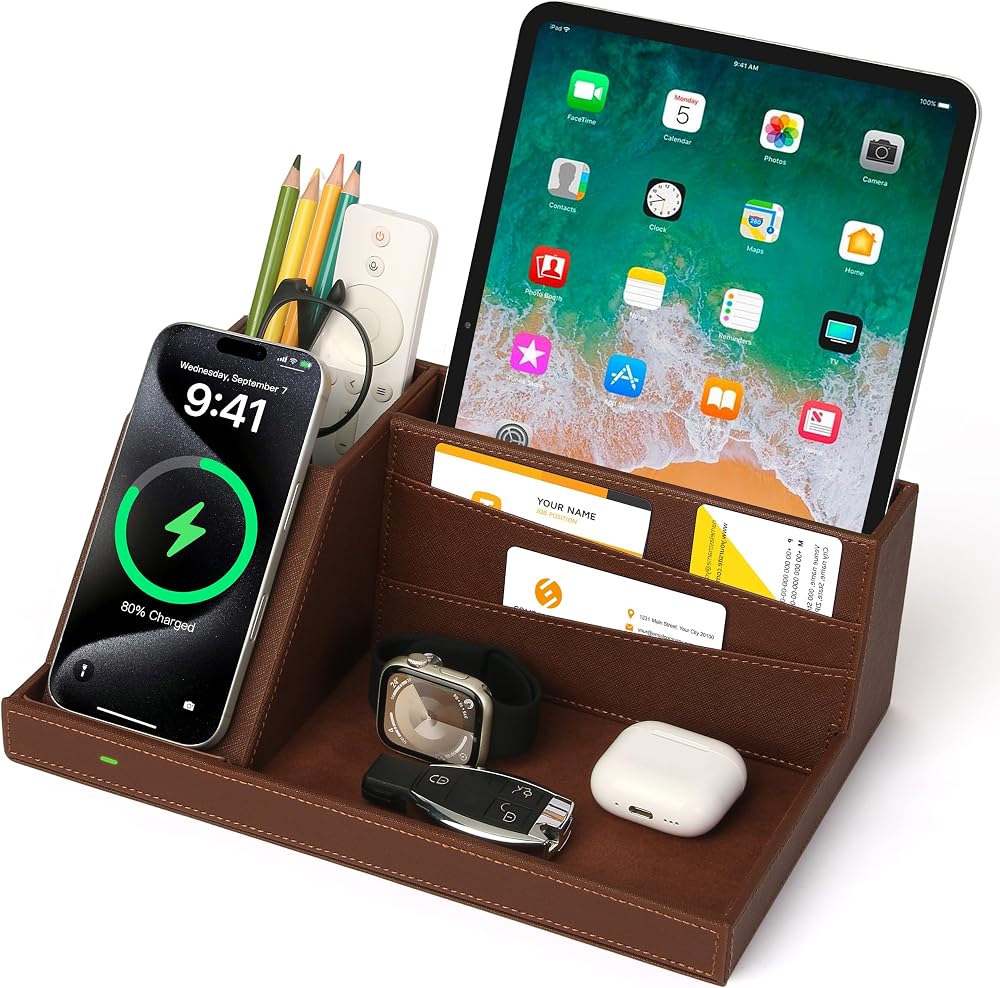 Executive Leather Finish
Executive Valet Organizer with Fast Wireless Charger
“Top-grain genuine leather upper inlay elevates everyday desk items with timeless tactile warmth.”
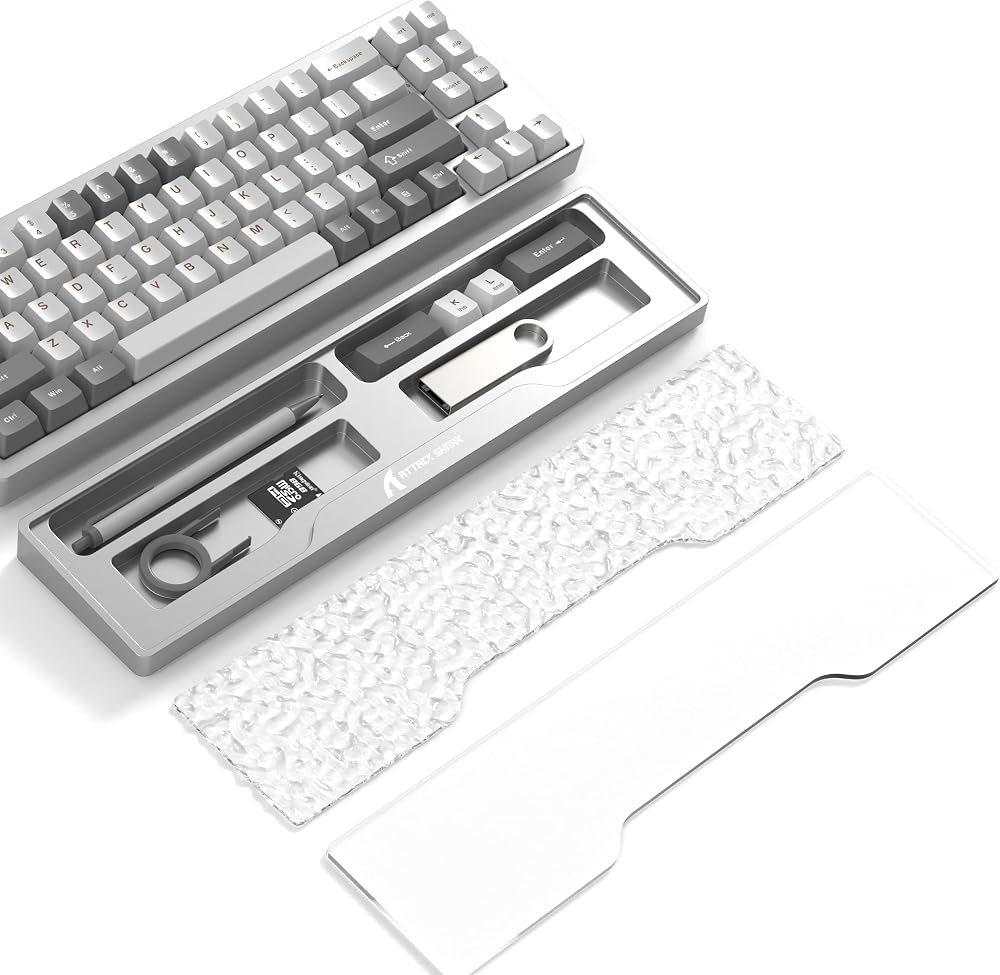 Friction Eliminator
Aerospace Aluminum Ergonomic Split Wrist Rest
“Complements leather desk mats by elevating forearms to eliminate adhesive skin contact during warm summer seasons.”
Expert Architectural Q&A
Is suede harder to clean than leather?
Yes, significantly harder. Smooth leather can be wiped clean in 5 seconds with a damp microfiber cloth and mild soap. Suede is highly porous and will permanently absorb liquids, oils, and ink; it requires a specialized brass suede brush, a rubber gum eraser, and water-repellent protective sprays to maintain without staining.
Can you use an optical mouse on a suede desk pad?
Yes, modern high-DPI optical sensors will track on suede, but the experience is inferior to smooth leather. The raised nap of suede creates higher dynamic friction against PTFE mouse skates, making precision micro-adjustments feel sluggish and causing fibers to collect inside mouse sensor cavities over time.
Does leather get sticky on your forearms in summer?
Low-grade bonded or shiny vinyl leathers can feel sticky when skin perspires. However, premium top-grain leather or matte textured desk pads breathe naturally and remain comfortable. For hot climates, pairing a leather desk mat with an aerospace aluminum split wrist rest completely prevents skin contact with the pad.
Which material lasts longer on an office desk: leather or suede?
Full-grain smooth leather easily lasts 10 to 15 years and actually looks better with age as it develops a natural vintage patina. Suede tends to develop flat, shiny matted spots where your wrists rest repeatedly, typically showing noticeable wear and discoloration after 2 to 3 years of daily typing.
Official Literature & Benchmarks
Modern Trends Now architectural guides are synthesized from verified industrial standards, peer-reviewed ergonomic datasets, and international regulatory testing frameworks.
Model exact desk height, monitor load, mat sizing, and standing cable slack.
Open All 4 Desk CalculatorsContinue Reading Field Guides

Standing Desk Cable Management Tray Blueprint: How to Route Power and Data with Zero Sag at Full Height
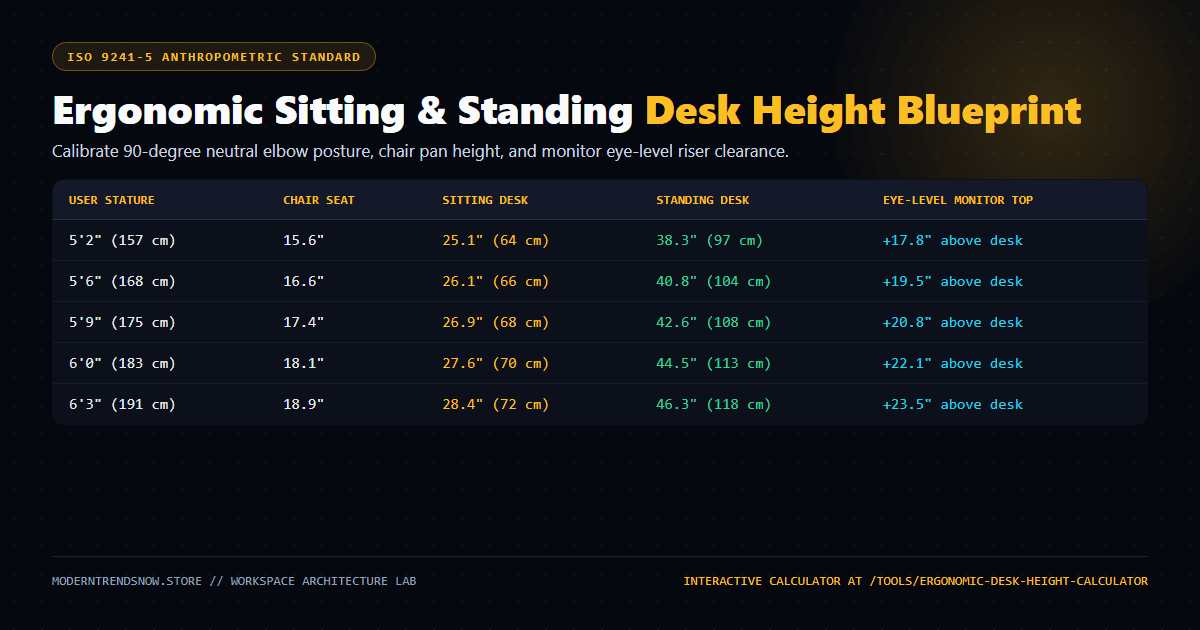
The 2026 Ergonomic Desk Height & Spatial Architecture Blueprint: Eliminate Neck Strain and Wrist Fatigue

Monitor Light Bar vs Traditional Desk Lamp: The Optical Physics of Asymmetric Beam Lighting and Eye Fatigue
